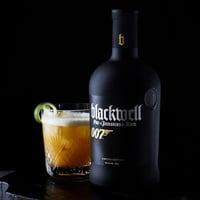

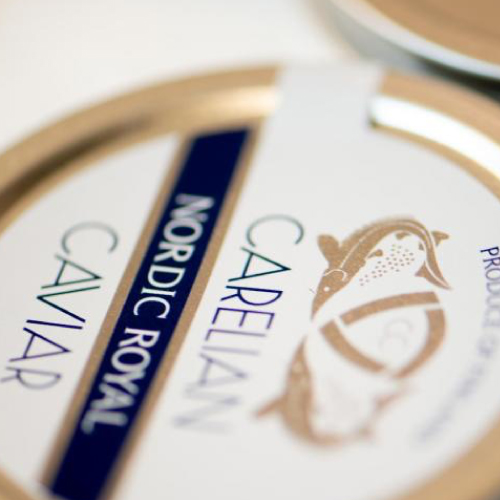

We manufacture printed labels for food, including:
Whether you’re launching something new or refining your existing labels, we’ll help you create something that looks great, is applied properly and remains consistent across runs.

Food labelling comes with non-negotiables. If your labels aren’t compliant, you’re at risk.
In the UK, labels must meet requirements set by the Food Standards Agency and relevant food information regulations. This typically includes:
These requirements influence layout, spacing and readability. If they’re treated as an afterthought, they tend to compromise the design. We understand how to make a label look amazing within constraints.

Food labels are put in conditions that quickly expose poor material choices.
Cold storage, moisture, handling and transport all affect how a label performs. The right combination of material, adhesive and finish makes all the difference.
We get involved during the label design process, helping you select options based on how your products are used and what you want the final finish to look like. This includes:
for chilled and refrigerated goods
that hold at low temperatures
for greasy or prepared foods
for high-volume production lines

Hot foiling for luxury metallic finishes
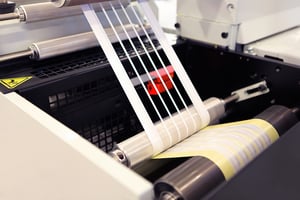
Embossing for added shelf presence
Textured materials for artisan products

Small adjustments here can have a noticeable impact, both in how the product presents and in cost savings throughout production.
Most label printers step in once the design is finalised.
We like to get involved much earlier.
Designs that look great on screen don’t always translate cleanly into print, materials chosen aren’t always suited to the labels, and small decisions can end up increasing your production costs over time.
By working alongside your team, we help to refine and tweak details before anything goes to print. This includes selecting the right materials, adjusting finishes where needed and flagging anything that may cause problems in production.
It’s not about changing your ideas; it’s about making sure your labels look and feel exactly as you envisioned.
We start by understanding the product itself. How it’s packaged, how it’s stored, how it’s handled and what volumes you’re working at. This gives context to every decision that follows, rather than treating the label in isolation.
We review artwork with print in mind. That includes how finishes will be applied, how colours will reproduce and whether certain elements may create inconsistencies at scale. Where needed, we suggest adjustments that protect the original design while making it more reliable in production.
Materials aren’t just aesthetic choices. They affect durability, adhesion, compliance and cost. We recommend options based on how the label will be used, whether that’s exposure to moisture, temperature changes or high-speed application.
Before anything goes to print, we provide proofs so everything can be checked in context. This is where final refinements are made, ensuring what you’ve approved is exactly what gets produced.
Once in production, consistency becomes critical. We monitor runs to ensure colour, finish and application remain consistent, whether you’re printing a single batch or repeating orders over time.
We start by understanding the product itself. How it’s packaged, how it’s stored, how it’s handled and what volumes you’re working at. This gives context to every decision that follows, rather than treating the label in isolation.
We review artwork with print in mind. That includes how finishes will be applied, how colours will reproduce and whether certain elements may create inconsistencies at scale. Where needed, we suggest adjustments that protect the original design while making it more reliable in production.
Materials aren’t just aesthetic choices. They affect durability, adhesion, compliance and cost. We recommend options based on how the label will be used, whether that’s exposure to moisture, temperature changes or high-speed application.
Before anything goes to print, we provide proofs so everything can be checked in context. This is where final refinements are made, ensuring what you’ve approved is exactly what gets produced.
Once in production, consistency becomes critical. We monitor runs to ensure colour, finish and application remain consistent, whether you’re printing a single batch or repeating orders over time.
Consistency matters with food labels – it builds trust. If your labels are inconsistent, or the quality isn’t representative of your product, consumers will notice.
We focus on getting the details right and keeping them right, whether you’re producing short runs or scaling up.
Our clients work with us because we:
Labels that look and feel as you expect; that will delight your customers in the store.
Food label printing is the process of producing printed labels for food products that are suitable for packaging, storage conditions and regulatory requirements. This includes selecting the right materials, adhesives and finishes, as well as choosing a print method such as digital or flexographic, depending on volume and complexity.
Food label printing varies depending on how the product is stored, handled and packaged. Labels for chilled or frozen foods require different materials and adhesives compared to dry goods or ambient products.
The process typically involves preparing artwork for print, selecting suitable materials and finishes, proofing and then producing labels at scale using the most appropriate method.
For larger volumes, flexographic printing is often the most efficient option for food labels printing, offering consistent colour and lower unit costs over time.
However, the best approach depends on your requirements. Some brands benefit from digital printing for flexibility, especially when managing multiple SKUs or shorter runs.
When choosing between food label printing companies, it’s important to look beyond price. You should consider experience with your type of product, the ability to recommend suitable materials and whether they can support you before production begins.
The right supplier will help ensure your labels not only look good, but perform properly and remain cost-efficient over time.
Custom food product labels are labels designed specifically for your product, packaging and brand. Unlike standard labels, they are tailored to suit your materials, storage conditions and visual requirements.
This includes everything from size and shape to finishes such as foiling, embossing or textured materials.
The best materials for printed labels for food depend on how the product is used. Chilled and frozen items require moisture-resistant materials and freezer-grade adhesives, while products exposed to oils or frequent handling need more durable stocks.
Matching the material to the environment is key to avoiding issues like peeling or deterioration.
The cost of food label printing in the UK depends on factors such as material choice, finishes, label size and production volumes.
Often, the biggest cost differences come from small decisions made during the design stage. Adjusting materials or finishes early can reduce long-term production costs without affecting the final appearance.
Most pre-packaged food products sold in the UK must include an ingredients list, with allergens clearly highlighted. These requirements form part of wider food labelling regulations and directly influence how food labels are designed.
Custom labels for food products are designed to match your packaging, environment and brand, ensuring they perform reliably in real-world conditions.
Standard labels are more generic and may not be suitable for factors such as moisture, temperature changes or high-speed application, which can lead to performance issues.
Designing branded food packaging involves balancing compliance with visual appeal. Labels need to include all required information clearly, while still standing out on the shelf and aligning with your brand identity.
It’s also important to consider how the design will translate into print, as finishes and materials can affect the final result.
Yes. Personalised food packaging labels can be tailored to different products, batches or campaigns, whether that’s through design variations, variable data or short-run printing.
This is particularly useful for brands managing multiple SKUs or seasonal product ranges.
Food labels are printed using either digital or flexographic methods, depending on volume, materials and finish requirements. Digital printing is suited to shorter runs and multiple SKUs, while flexographic printing is more efficient for larger volumes where consistency and unit cost matter.
The process also involves selecting the right materials and adhesives, preparing artwork for print and proofing before production to ensure accuracy.
Most pre-packaged food and drink products sold in the UK require a full ingredients list, with allergens clearly highlighted. There are some exceptions, but these are limited and depend on the type of product and how it is sold.
This information needs to be factored into the label design early, as it affects layout, spacing and readability.
Yes, in most cases. UK regulations require nutritional information per 100g or 100ml, including energy, fat, saturates, carbohydrates, sugars, protein and salt.
This requirement has a direct impact on label design, as space needs to be allocated for clear and legible presentation.
Designing a label for a food product involves balancing compliance with visual appeal. You need to include all legally required information while ensuring the label still works on the shelf and aligns with your brand.
It’s also important to consider how the design will translate into print, as materials, finishes and production methods can affect the final result.
Want to experience our label print quality up close and personal? A free printed labels sample pack is waiting to be sent. Fill in your details here.
Premier Labels
Unit 4, Riverway Industrial
Estate
Old Portsmouth Road
Guildford, Surrey GU3 1LZ